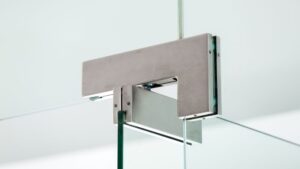

The door you choose defines your home’s aesthetics and functionality. Before making a decision between the traditional hinged door and the contemporary pivot door, read our comprehensive guide.
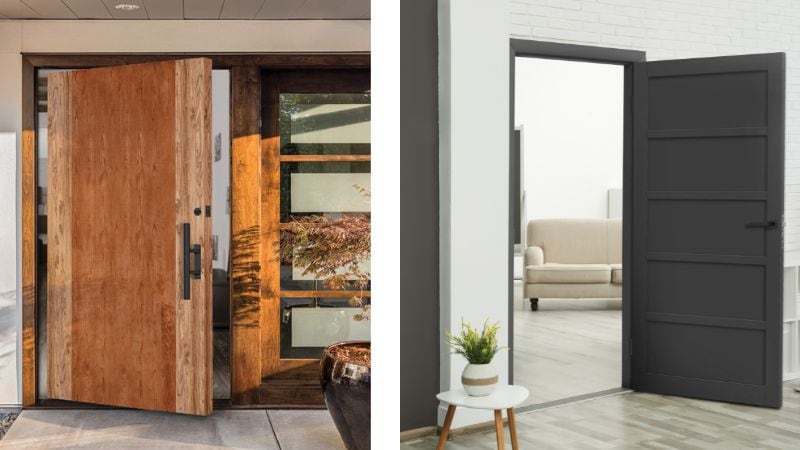
Understanding The Basics: Door Mechanisms Explained
Doors function through different mechanisms that affect their movement, installation, and suitability for various spaces. These designs impact how the door swings, how much space it needs, and the style it brings to a home.
What Are Hinged Doors?
Hinged doors swing open on hinges attached to one side of the door frame. This is the most common door type found in homes, offices, and commercial spaces. The door moves in a single direction, usually opening inward or outward, at an angle flush with the wall.
The side hinges bear the weight of the door, requiring a sturdy frame. This can limit the door’s size and weight, but it provides reliability and ease of use. Hinged doors come in various materials and finishes. They are customizable for different rooms and entry points.
What Are Pivot Doors?
Pivot doors rotate on a central or offset pivot mechanism at the top and bottom of the door, not on side hinges. This allows the door to swing in both directions, often creating a “double swing” effect.
This mechanism supports larger, heavier doors, often used in modern designs for bold entrances. The pivot is mounted into the floor and ceiling, enabling taller and wider doors that might not work with side hinges. Pivot doors often include soft-close and hold-open features for smooth operation.
Pivot Doors Vs. Hinged Doors: Key Differences Breakdown
Pivot and hinged doors differ in how they are mounted, how they move, and their impact on style and space. These differences affect installation, appearance, and daily use.
Hardware And Installation
Pivot doors rotate on a pivot mechanism fixed at the top and bottom of the door panel. This requires strong floor and ceiling support. The hardware often includes soft-close and hold-open systems for smooth operation. Installation needs precise measurements and sturdy anchoring to handle the door’s weight.
Hinged doors attach to the side frame with hinges. The weight rests on these hinges, which must be solid and properly aligned. Hinged door installation is simpler but requires strong hinges that can last over time. Maintenance may involve hinge tightening or replacement as needed.
| Feature | Pivot Door | Hinged Door |
|---|---|---|
| Mounting | Top and bottom pivot points | Side hinges |
| Installation | More precise and structural | Easier but needs strong frame |
| Hardware | Soft-close, hold-open available | Standard hinges, wear-prone |
Visual Impact And Design
Pivot doors create a modern, minimalist look with large panels. They can be very tall and wide, making them striking focal points. Without a side frame, the door surface is uninterrupted for a sleek appearance.
Hinged doors are more traditional and versatile, fitting classic, rustic, or standard designs. They usually have visible hinges and frames, which can add character but break up the door’s flat surface. Hinged doors work well with many materials but don’t offer the same sculptural effect as pivots.
Functionality And Performance
Pivot doors swing open from their center or offset pivot points. This allows a wide opening angle without much side clearance, useful in tight spaces. They often include mechanisms to hold the door open at specific angles. Heavier doors need reinforced pivot points.
Hinged doors swing open from one edge. They need space on the swing side and put pressure on the hinges, which may need maintenance. Hinged doors are easy to use and repair, making them practical for most homes. They also tend to cost less than pivot systems due to simpler hardware.
Ideal Applications: Where Do Pivot And Hinged Doors Work Best?
Hinged doors are ideal for traditional spaces thanks to their reliable weather sealing, compatibility with spaces lacking strong floor/ceiling support, flexible size/design options, and simple, reliable installation.
Pivot doors, by contrast, excel in making bold architectural statements—they handle larger, heavier panels with floor/ceiling pivot load distribution, often featuring soft-close/hold-open functions for high-traffic/showcase areas.
| Door Type | Ideal Spaces | Core Features |
|---|---|---|
| Hinged Door |
|
|
| Pivot Door |
|
|
Weighing The Options: Pros And Cons
Here is the quick review:
| Door Type | Advantages | Disadvantages |
|---|---|---|
| Hinged Door |
|
|
| Pivot Door |
|
|
Which Door Is Right For Your Home? A Decision Guide
Each type offers benefits for different home needs and preferences.
Pivot doors are great for modern or custom homes. They rotate around a pivot point, creating a smooth, floating effect. This makes them ideal for larger or statement doors. However, pivot doors often need more space and can be more expensive. They offer a sleek, contemporary look that fits well with minimalist or high-end designs.
Hinged doors are the traditional choice. They swing on side-mounted hinges and are available in standard sizes. Hinged doors are usually more affordable and easier to install. They work well in most spaces and styles, making them a safe and versatile option.
| Feature | Pivot Door | Hinged Door |
|---|---|---|
| Style | Modern, bold | Classic, versatile |
| Space Required | More space around door | Fits tight spaces |
| Installation Cost | Generally higher | Typically lower |
| Maintenance | Can be complex | Easier |
| Durability | Suitable for large doors | Reliable for daily use |
If your goal is a visual impact or a unique entrance, a pivot door is a good choice. For straightforward function and cost-efficiency, hinged doors are a dependable solution.
Find Your Perfect Doors?
Tengyu provides a holistic and extensive range of products that cover virtually any interior door requirement. Our strength lies in the synergy between hardware and door panels, ensuring seamless operation and a cohesive look.
Why Choose Tengyu
- Diverse product range: Covers a comprehensive selection of door-related products, including sliding door hardwares, closet door systems, door accessories, glass doors & partitions, wooden doors, and closet doors, catering to various application needs.
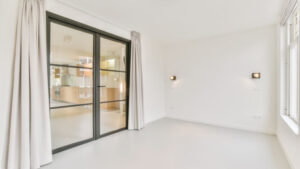
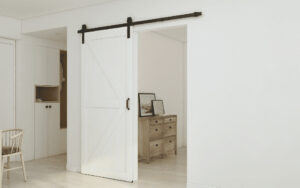
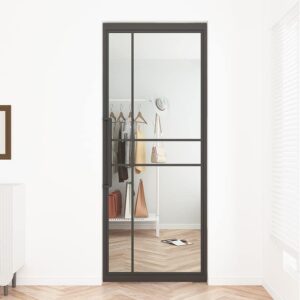
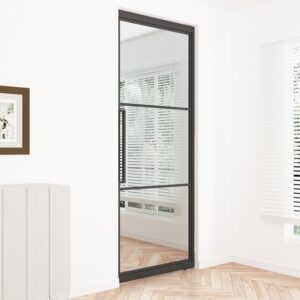
- Style adaptability: Features products suitable for minimalist and modern design aesthetics, as demonstrated by the showcased black-framed glass door in a minimalist room and the cohesive white door integrated with a staircase.
- Material versatility: Offers key door materials such as glass and wood, enabling flexible material selection to match different design preferences and spatial requirements.
- Space-efficient options: Includes sliding door solutions (e.g., sliding bathroom doors) that optimize space utilization, aligning with practical design needs for both residential and commercial spaces.
- Practical application coverage: Encompasses products for diverse scenarios, from interior elements (closet doors, room partitions) to outdoor gates, meeting multi-scenario design and functional demands.
Find your ideal fit today — View our detailed product specifications, design inspirations, and use our easy online inquiry form to request a custom quote or get expert advice tailored to your project.
Frequently Asked Questions
What are the main differences between pivot and hinged doors?
Pivot doors rotate on a central vertical axis, supported at the top and bottom. Hinged doors swing from hinges attached to the side frame. This affects how the door moves, with pivots offering smooth rotation and hinges providing a more traditional swinging motion.
What are the installation considerations for pivot versus hinged doors?
Pivot doors need precise installation of the pivot hardware at both the top and bottom. They often use soft-close or hold-open features. Hinged doors rely on sturdy side hinges fixed into the wall and frame. The frame must be strong to support the door’s weight and withstand lateral forces on the hinges.
How do the costs of pivot doors compare with those of hinged doors?
Pivot doors usually cost more because they need specialized hardware and custom installation. They might also require unique sizes or heavier materials. Hinged doors are more affordable and easier to install due to standard sizes and common parts. They are a good choice for simple and reliable budgets.