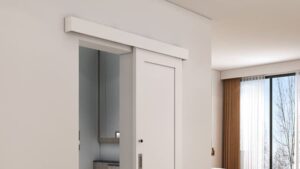

Woods like mahogany, oak, and maple are top choices of interior doors. They offer lasting strength and attractive grain that enhance any room’s decor—from classic to modern. This guide explores the best options and highlights what makes each wood a strong contender for interior door projects.
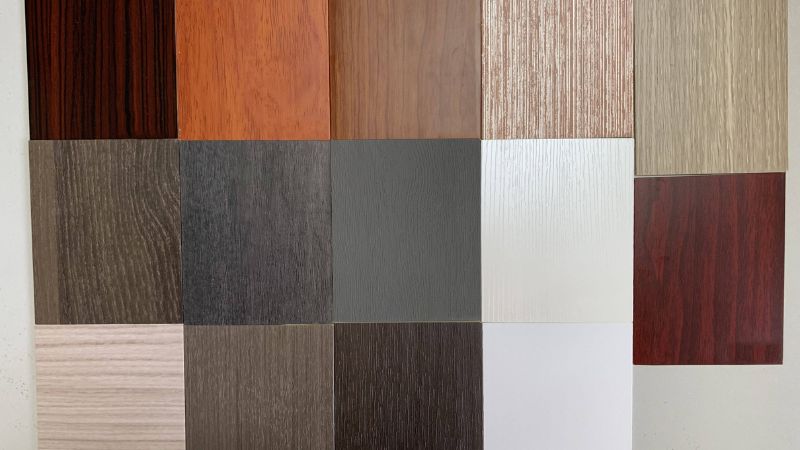
The Best Wood Species For Interior Doors
Each wood has unique traits like grain pattern, hardness, and finish compatibility that influence longevity and style. Some woods need less maintenance, while others offer richer visuals.
Here’s a quick reference for popular wood options:
| Wood Type | Durability | Maintenance | Cost | Style |
|---|---|---|---|---|
| Oak | High | Moderate | Mid-range | Traditional & modern (rustic/refined) |
| Maple | High | Moderate | Mid-range | Smooth, light tone (clean modern look) |
| Mahogany | Very High | Low | Higher | Elegant and rich (reddish-brown luster) |
| Pine | Low | High | Budget | Rustic/cottage (knotty, warm light) |
| Walnut | Moderate | Moderate | High | Dark, sophisticated (contemporary) |
| Cherry | Moderate | Moderate | Mid to High | Warm with depth (traditional/transitional) |
Oak
Oak is a classic choice known for its durability and distinct grain. It resists warping or shrinking, making it suitable for busy households or offices.
Its open grain absorbs stains evenly, allowing finishes from light to dark tones. Oak doors can bring rustic charm or refined elegance depending on the finish.
White oak is denser and more water-resistant than red oak. Both types provide strong, heavy doors that insulate sound well.
Maple
Maple is valued for its uniform grain and smooth surface. It’s a hardwood that’s less porous than oak, giving a clean, modern look when painted or stained.
Its pale color is ideal for lighter designs but can darken slightly over time. Maple is stiff and resists dents better than softer woods, offering durability with less visible wear.
Maple absorbs finishes evenly and is easy to machine and shape.
Mahogany
Mahogany is prized for rich reddish-brown hues and a fine, straight grain. It’s a dense hardwood, providing superior durability and resistance to decay.
This wood ages beautifully, deepening in color and developing a natural luster with minimal maintenance.
Though more expensive, mahogany’s stability means it resists warping and shrinkage better than many woods. It also takes stains well, highlighting its grain.
Pine
Pine is a softwood often favored for budget projects. It offers a warm, light color with a knotty look that suits rustic or cottage-style interiors.
Pine is lighter and less dense than hardwoods, making doors easier to install but more prone to dents and scratches. It requires careful finishing to prevent damage.
Pine often benefits from clear coatings or multiple paint layers to improve durability. It’s a good choice when natural wood texture and an affordable price are priorities.
Walnut
Walnut is a premium hardwood with dark brown tones and striking grain variations. Its natural elegance suits contemporary interiors.
It’s moderately dense, combining strength with a smooth feel. Walnut doors usually retain their color and finish well but may lighten slightly in sunlight.
Walnut’s rich grain is often left natural to showcase its appeal.
Cherry
Cherry is a fine-grained hardwood with a warm reddish-pink hue that deepens over time. It offers smooth surfaces and moderate hardness, making it attractive and functional.
The wood’s aging process enhances its character, shifting to richer colors in the first few years. Cherry is favored for traditional or transitional interiors.
It reacts well to stains and finishes, allowing customization. Cherry’s moderate hardness means it stands up well to daily use.
How To Identify Types Of Wood In Doors
Observing visual traits, feeling the texture and weight, and checking manufacturer details. For complex cases, consulting professionals ensures accuracy.
Reading The Visual Clues: Grain, Color, And Figure
Wood species have unique grain patterns, color ranges, and figuring that act like fingerprints. Look for coarse, prominent grain patterns and a light to medium brown color to spot Oak. Maple is distinguished by its smoother, subtler grain and pale, creamy tone. For Mahogany, key identifiers are its characteristic reddish-brown hue and fine, straight grain.
Using a magnifying glass can reveal finer characteristics, such as the presence of pores or resin canals, which differentiate species like pine or cherry from hardwoods.
Assessing Weight And Hardness: The Tactile Test
Weight and hardness are practical indicators. Denser woods like oak or maple feel heavier and are harder to dent. Softwoods like cedar or pine are lighter and dent more easily. Gently pressing a fingernail into an inconspicuous spot can test hardness.
Hardwoods usually have a firm feel and resist pressure, while softwoods yield slightly. The door’s weight when carried gives clues; heavier doors suggest hardwood, while lighter ones lean toward softwood or engineered options.
Consulting The Manufacturer’s Specifications
Manufacturer labels and product sheets often list the wood species used. Look for clear information on the door’s type, such as “solid oak” or “engineered maple.”
Specifications may also note treatments or finishes that affect appearance but not the base wood type. Reference product codes or item numbers online to check details on the manufacturer’s website.
When in Doubt: Seeking Expert Opinion from a Craftsman or Supplier
If uncertainty remains, consulting a woodworking expert, door manufacturer, or supplier is helpful. Professionals can often identify wood types by sight and touch, using experience and tools like moisture meters or microscopes.
They may recognize less common species and advise on wood suitability for interior doors. Bringing small door samples or photos can aid in accurate identification.
Which Wood Is Right For Your Door?
Choosing the right wood means matching appearance with function and budget. Designers and homeowners must weigh styles, costs, and practical needs like how much wear the door will face. Wood selection also depends on whether the door will be stained to show grain or painted for a smooth look.
Aligning Wood Choice with Your Design Style
Wood species set the tone of a room. Cherry has a warm, reddish hue that enriches traditional or rustic interiors. Maple’s subtle grain suits modern looks. Oak’s pronounced grain pairs well with both old and new styles.
Light woods like pine create a casual vibe and are great painted or stained lightly. Darker woods such as walnut add luxury but may need more care to maintain their finish. Matching wood to your décor ensures the door complements the space.
Balancing Your Budget: Cost Considerations by Species
Budget often guides the initial selection. While the table provides a detailed cost-to-value comparison, a general tier is: Pine and poplar are budget-friendly; oak and maple offer a mid-range balance of cost and durability; mahogany and walnut command a premium for their luxury appeal.
| Wood Species | Average Cost Per Door | Durability | Common Uses |
|---|---|---|---|
| Pine | Low | Moderate | Interior, painted |
| Poplar | Low | Moderate | Painted interiors |
| Oak | Medium | High | Entry and interior |
| Maple | Medium | High | Interior, modern |
| Mahogany | High | Very High | Luxury interiors |
| Walnut | High | High | High-end interiors |
Considering Practical Factors: Traffic, Humidity, and Usage
The door’s location and use affect wood choice. High-traffic rooms benefit from harder woods like oak or maple that stand up well to knocks and dents. A door in a bathroom or laundry room should resist humidity, so engineered woods or treated hardwoods work better there.
For closet or bedroom doors with less wear, softer woods like pine provide enough durability while being cost-effective. Considering these factors helps select wood that performs well long term, reducing the need for repairs or refinishing.
Finish Intentions: Staining vs. Painting
How the door will be finished influences wood choice. Woods with attractive grain such as oak, cherry, and mahogany are best stained to highlight patterns. Staining requires smoother woods and proper sealing but gives a natural look.
If painting is preferred, species like poplar and pine take paint well due to their fine, uniform grain. Painted doors allow for more color flexibility but may hide the natural wood character. The finish method should be considered early to pick a wood that responds well to the treatment.
Why Choose Tengyu Wooden Doors?
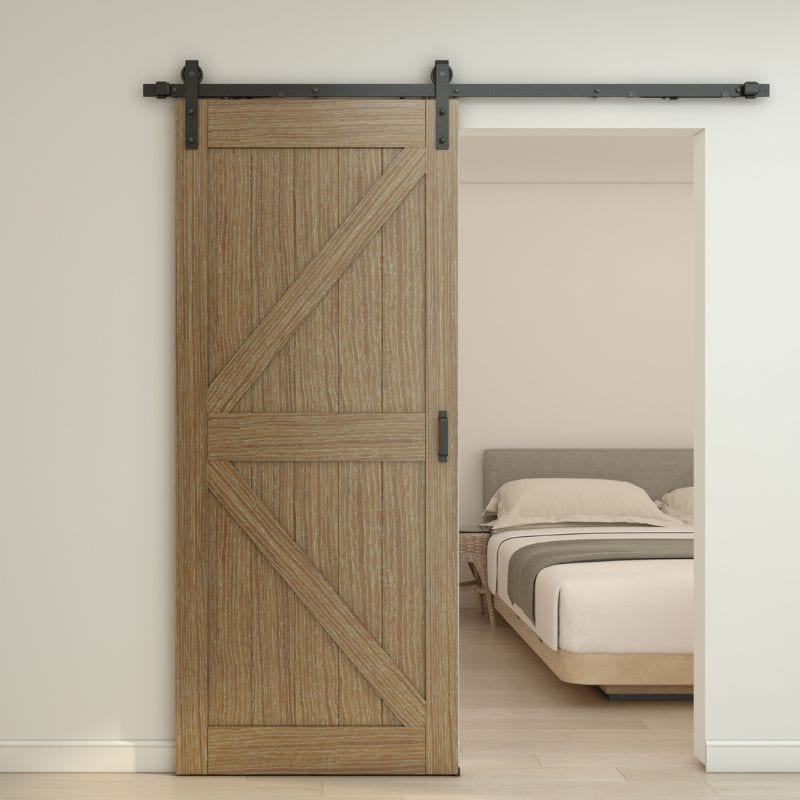
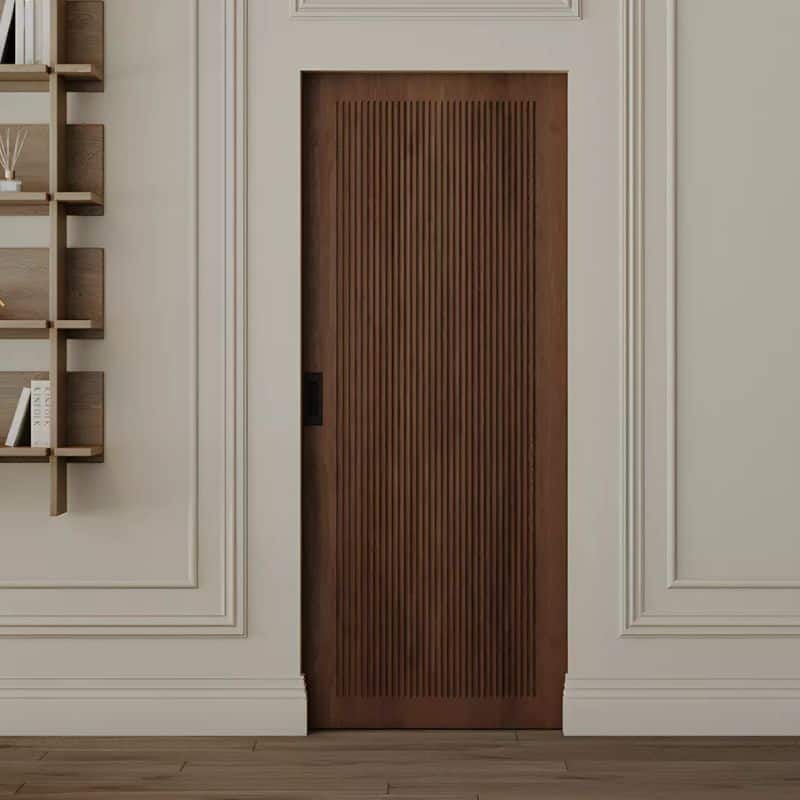
Tengyu stands out by providing wooden door solutions that cater to the demands of modern construction and renovation projects. Our focus is on delivering not just a door slab, but a complete, easy-to-install system that saves time and ensures a high-quality finish. The primary advantages include:
- Variety and Versatility: From sleek, modern designs to classic, molded panels, the collection is broad enough to suit various architectural styles.
- Convenience and Efficiency: A significant portion of their range is dedicated to pre-finished doors, eliminating the need for on-site painting and finishing, which speeds up project timelines and ensures a flawless, factory-grade coating.
- Integrated Systems: NBTengyu is a one-stop-shop. Our Wooden Doors are designed to pair perfectly with extensive selection of hardware, including a vast range of Wooden Door Sliding Systems and stylish Wooden Door Handles.
Looking for stylish, durable, and thoughtfully designed wooden doors? Tengyu‘s collection is an outstanding choice. Contact us now for a free quote.