
Elevate your home’s aesthetic by mastering the art of door trim. From timeless white finishes to bold modern profiles, the right casing does more than cover gaps—it frames your life and defines your interior style.
Popular Door Trim Styles
Door trim styles range from timeless white finishes to bold natural wood accents, each bringing its own character to your space. The right choice depends on your home’s design and the atmosphere you want to create.
Classic White Door Trim
White door trim works beautifully in almost any home. This traditional choice pairs perfectly with colorful walls or bold wallpaper patterns. You can paint your door trim in semi-gloss white to match your baseboards and crown molding for a cohesive look.
Classic white door trim makes rooms feel larger and brighter. It creates clean lines that frame your doors without competing with other design elements in your space.
Modern Minimalist Trim
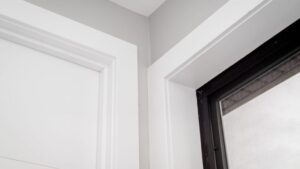
Modern door trim features flat profiles and simple lines. This style skips decorative details for a sleek appearance that complements contemporary interiors. Black trim has become popular for creating striking contrast against white walls.
You’ll find that minimalist trim works especially well with slab doors and geometric patterns.
Natural Wood Finishes
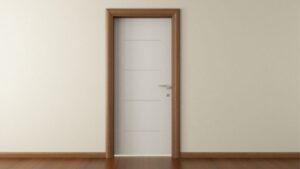
Natural wood trim brings warmth and texture to your home. Stained wood boards showcase the grain and create a rustic, farmhouse feel. This style pairs nicely with neutral walls and other natural materials like rattan or wrought iron.
Contrasting Trim
Bold contrasting trim adds personality to any room. You can paint your trim in colors pulled from wallpaper or choose dramatic black against white walls.
Trim Profiles and Design Details
The profile you choose for your door trim affects both the visual impact and the overall style of your space. Different trim profiles work with different design approaches, from traditional to modern.
Mitered Door Trim
Mitered door trim features three separate pieces that meet at 45-degree angles at the top corners. This classic profile works well in both traditional and modern homes.
The angled joints create clean, professional-looking corners that feel polished and intentional. You’ll often see this style painted in bright white with a semi-gloss finish to match other interior trim throughout your home.
Mitered trim pairs beautifully with intricate molding details. You can add multiple beads, which are grooved lines cut into the trim face, for extra visual interest. This profile also works well when you want to incorporate back banding, a decorative piece applied behind the main casing.
Butted Door Trim
Butted trim uses a simpler construction method where the top piece sits directly on top of the two side pieces. This creates a cottage-style look that feels warm and inviting.
Colonial-style door trim is a popular variation of butted trim. It features two thinner boards on the sides with a wider panel across the top. This design makes your door appear taller and adds charming architectural detail.
You can paint butted trim in the same color as your door for a cohesive look. This approach works especially well in mudrooms and casual spaces where you want a relaxed, welcoming feel.
Flat Door Trim
Flat door trim has no decorative grooves or carved details. This minimalist profile complements clean lines and simple design elements in contemporary spaces.
The smooth surface of flat trim creates a streamlined appearance that doesn’t compete with other design features in your room. It’s an excellent choice when you have bold wallpaper or colorful walls that you want to highlight.
Flat trim works particularly well around modern slab doors. The simple profile maintains the door’s contemporary aesthetic while still providing a finished edge where the wall meets the door frame.
Layered Trim
Layered trim combines multiple pieces of molding to create depth and dimension around your doorway. This approach works especially well on front doors with side panels or in formal spaces.
You can layer different widths of trim to highlight a panel door or create visual separation between different elements. The technique adds an elegant, custom-designed look that elevates builder-grade doors.
Craftsman-style homes often feature layered door trim that emphasizes architectural details. The multiple layers catch light differently throughout the day, adding subtle visual interest to your entryway.
Decorative and Specialty Door Trim Options
Specialty trim options let you add personality and elegance to your doorways through architectural details like crown molding, curved designs, and ornate patterns that make doors stand out as focal points.
Crown Molding and Door Casing
Crown molding at the top of your door casing creates an elegant, finished look. This combination works well in traditional homes where you want to draw the eye upward and make ceilings feel taller.
You can match your door casing to existing crown molding throughout your room for a unified design. The trim typically features grooved lines and decorative beads that add depth. Paint your crown molding trim in semi-gloss white for a classic look, or use a contrasting color to make the doorway pop.
Arched and Scalloped Door Trim
Arched door trim follows the curved shape of doorways and transom windows. This style adds historic character and works beautifully with French doors or entryways. You can choose simple arched designs or add decorative elements like sunburst patterns in half-round transom windows.
Scalloped trim features gentle curves that soften rectangular doorways and create visual interest.
Decorative Door Trim
Decorative door trim includes intricate molding with carved details, geometric patterns, and added elements like rosettes at the corners. Pilaster-style trim with columns on each side creates a dramatic Victorian look. You can also layer multiple trim pieces for depth or choose latticework designs with crisscross patterns for unique character.
Enhancing Doors with Trim and Glass Features
Glass elements paired with the right trim work together to brighten your entryway while creating an elegant focal point. These features range from overhead transoms to side panels that frame your doors.
Transom Window and Door Trim
A transom window sits above your door and fills your space with natural light. You can choose frosted glass for privacy or stained glass for decorative appeal. Black beveled trim creates clean lines around three-panel transoms, while white trim offers a classic look that pairs well with most door colors.
The trim around your transom should match or complement your door casing. Smooth white trim works beautifully with board and batten walls, and the frame width should balance with your door’s proportions.
Sidelights and Double-Door Trim
Sidelights are narrow glass panels that flank one or both sides of your door. They work especially well with double doors to create a grand archway effect. Clear glass sidelights maximize light flow, while leaded glass adds vintage character.
Your trim should wrap around both the door and sidelights as one unified frame. Wide trim makes a bold statement in farmhouse entryways, and matching the trim color to your window frames ties the design together.
Panelled and Barn Door Trim
Panelled doors with glass inserts let light pass between rooms while maintaining definition. Two-panel frosted glass doors work well for stairwells and bathrooms where privacy matters.
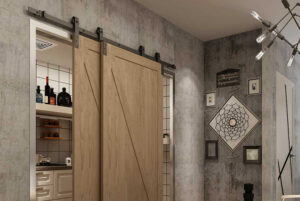
Barn door trim needs special attention since these doors slide rather than swing. You can use thick and thin trim combinations to add visual interest, with the hardware mounted above the trim line. White trim against taupe walls creates depth, and the trim should be slightly recessed to allow smooth door movement.
Material and Color Inspiration
The materials and colors you choose for your door trim can completely change how a room feels. Natural wood brings warmth, bold paint creates drama, and coordinated trim throughout your home ties everything together.
Wood Door Trim and Reclaimed Finishes
Natural wood trim adds instant warmth to any space. You can choose stained wood boards for a farmhouse look or go with reclaimed wood trim for character and sustainability. Natural wood works great with neutral wall colors and raw materials like rattan.
If you want a rustic vibe, skip fancy carved details and stick with flat wood boards. The wood grain becomes the star. Stained wood trim also pairs beautifully with hardwood floors to create visual flow between your walls and floors.
Black Door Trim and Bold Colors
Black door trim makes a strong statement in modern homes. It works especially well on front doors to boost curb appeal and create striking contrast against light-colored walls or stone surrounds.
You can also pull bold colors from your wallpaper to paint your trim. This creates a custom look that ties your room together.
Matching Window and Door Trim
Paint all your window and door trim the same color to unify your spaces. This works with any color, from crisp white to pale blue to dramatic black.
Find Your Perfect Door with Tengyu
You can explore a vast range of high-quality options at Tengyu, where craftsmanship meets variety. Whether you are looking for stylish closet doors to optimize your space or metal frame glass sliding doors for a contemporary loft feel, their catalog offers durable and elegant solutions.
If your project requires a specific look, you can browse through their glass door and partition collections to find customizable sets that pair perfectly with the trim ideas mentioned above. By selecting a premium door as your starting point, you ensure that your creative trim work has the high-end canvas it deserves.
Frequently Asked Questions
What are some popular styles for designing door trim?
Classic panel trim features raised rectangles that add depth to your doorway. Scalloped trim brings a soft, charming look to interiors. Arched trim creates an elegant entrance with its curved top. Shaker-style trim offers clean lines and simple beauty. Victorian trim includes detailed carvings for traditional homes.
How can I add a modern touch to my door trim?
Use sleek, flat trim with sharp edges and minimal details. Pick neutral colors like white, gray, or black for a clean look. Dark hardware against light trim creates bold contrast. You can also try brushed metal or stained hardwood instead of painted trim.
Could you suggest ways to customize trim for an interior door?
Add a transom window above your door to bring in natural light. Match your trim color to your wallpaper for a unified look. Install wider casing with subtle back banding to create depth. Personal touches like monograms or wreaths make the entrance feel special.
What materials work best for durable and stylish door trim?
Wood trim offers natural beauty and can be stained or painted. MDF works well for interior doors and costs less than solid wood. Metal trim adds modern style and lasts a long time. Natural, untreated wood brings warmth to Scandinavian-style spaces.
What color options should I consider to enhance my door trim?
White trim creates a bright, timeless look that works with any wall color. Black trim against white walls makes a strong statement. Sage green or blush tones add subtle color while staying calm. Matching your trim to your door creates a seamless appearance.
Can you give tips on how to blend door trim with my home’s overall style?
Victorian homes look best with ornate, detailed trim. Modern spaces need flat, minimal trim designs. Match your trim width to your ceiling height for good proportions. Keep your trim style consistent throughout your home for a polished look.