
Trim or not trim ultimately comes down to personal preference, your design style, and practical considerations like budget and maintenance needs.
Trim can add visual interest, protect your door’s edges from damage and help frame the doorway and can strengthen the door structure. On the other hand, skipping trim creates a clean, modern look and can save you money on materials and installation. Understanding the pros and cons of each approach will help you make the right decision for your home.
Key Differences and Considerations
Trim and no trim affects both how your barn door looks and functions. The right choice depends on your space, budget, and style preferences.
What Is Barn Door Trim?
Barn door trim is decorative or protective material added to your barn door or around the doorjamb.
Flat trim creates clean lines along the door edges. This simple style protects corners where damage usually happens. Z-brace and X-brace trim add diagonal patterns that give your door a traditional barn look. Picture frame trim goes around all four sides of the door face, working mostly as decoration.
You can choose wood or metal trim based on your style. The trim can go on the door itself, around the doorway, or both places.
Benefits of Adding Trim to a Barn Door
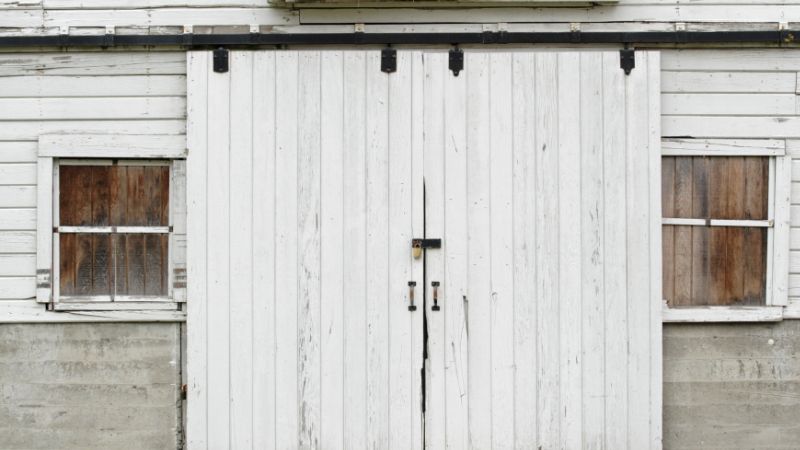
Trim makes your barn door look more finished and polished. It frames both the door and doorway, letting you add different colors or materials to your room.
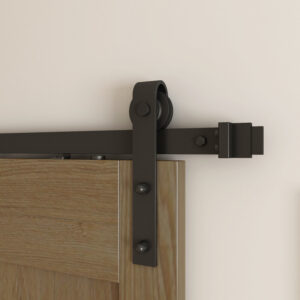
Trim also protects the edges of your door frame where damage often occurs. If you already have trim around your doorway, barn door hardware can mount far enough from the wall to let the door slide smoothly over it. The trim helps create a tight fit between your door and wall, which matters for temperature control and noise reduction.
Pros and Cons of Trimless Barn Door Installation
Barn doors without trim offer a clean, modern look that works well with current design trends. You skip the extra cost of materials and installation, making this a budget-friendly choice.
Cleaning becomes easier without trim corners where dust collects. You won’t need to maintain different materials or remove trim when refinishing your door.
However, trimless doors lack edge protection and may not suit traditional design styles. Your barn door should cover trim by 1 to 2 inches if you keep existing doorway trim to avoid gaps that create light leaks or privacy issues.
Installation Approaches: With Trim or Without
You can install a barn door with or without removing your existing trim, and the method you choose depends on how thick your trim is and how much space you need for the sliding barn door hardware kit.
How to Install a Barn Door with Existing Trim
Installing a barn door over existing trim works best when your trim is less than an inch thick. You’ll need to measure the distance from the wall to the outer edge of your trim. This tells you how far to mount your barn door hardware from the wall.
Use longer mounting screws to reach through the trim into the wall studs. Space your track brackets so the sliding barn door clears the trim by at least half an inch.
Barn Door Installation Without Removing Trim
When installing a barn door without removing trim, pick a door that’s wider than your doorway plus the trim on both sides. Mount your track high enough above the doorway so the door hangs below the top trim.
The door should cover the entire opening and trim when closed.
Barn Door Over Existing Trim: Step-by-Step
Start by finding your wall studs above the doorway. Mount your track brackets with screws long enough to go through the trim. Hang the door and test the clearance. Adjust the mounting distance if needed.
Choosing Between Trimmed and Trimless Barn Doors
Your decision affects both how your barn door looks and how well it performs in your space. The right choice depends on your design goals, how much privacy you need, and how much maintenance you’re willing to handle.
Key Factors for Your Decision
| Feature | With Trim | Without Trim |
| Aesthetic Style | Traditional & Farmhouse: Provides a finished, framed look that matches existing baseboards and molding. Adds visual interest to large surfaces. | Modern & Minimalist: Offers a sleek, clean appearance suitable for contemporary or industrial spaces. Keeps the focus entirely on the door. |
| Privacy & Light | Enhanced Control: Creates a tighter seal between the door and wall, significantly reducing light gaps and improving privacy. | Higher Leakage: Larger gaps between the door and wall typically allow more light and sound to pass through the edges. |
| Sound Insulation | Improved: The physical barrier of the trim helps block more sound from traveling between rooms. | Standard: Minimal sound dampening due to the open nature of the sliding mechanism and lack of a seal. |
| Installation & Hardware | Adjusted Depth: Tracks must be mounted further from the wall to clear the trim depth. Requires wider doors (4-6 inches extra) for full coverage. | Close Mounting: Allows the track and door to be mounted much closer to the wall for a more integrated, flush appearance. |
| Cleaning & Maintenance | More Intensive: Extra corners, edges, and crevices tend to collect dust. May require multiple cleaning products for different materials. | Simple: Easy to wipe down; the smooth, flat surfaces allow for quick cleaning without dealing with hidden dust traps. |
| Flexibility | Hybrid Options: Can be applied only to the door face for decoration or only to the jamb to bridge gaps. | Uniformity: Consistent look throughout; less complexity during refinishing as there are no additional pieces to remove. |
Tips for Achieving the Best Finish with Your Barn Door
The right trim choices and installation techniques help your barn door look polished and work smoothly. Pay attention to trim style, door clearance, and gap coverage for the best results.
Selecting the Right Trim Style
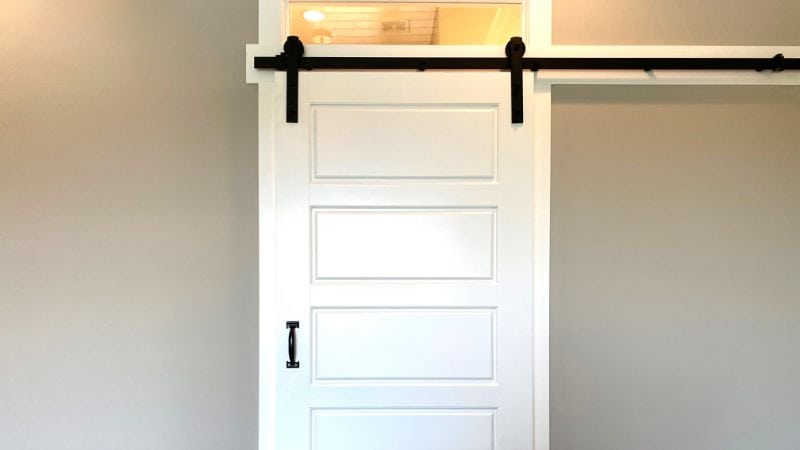
Flat trim works well if you want clean lines and edge protection. It’s simple to install and fits most design styles.
Picture frame trim adds decorative appeal around all four sides of your door. This style makes a bold visual statement and works best on larger doors.
X-brace or Z-brace trim gives your door a traditional barn look. These patterns add character while reinforcing the door structure.
Match your trim material to your barn door hardware finish. Wood trim pairs naturally with rustic hardware, while metal trim complements modern steel tracks. Consider maintenance needs too, since metal and wood require different care over time.
Smooth Operation Over Trim
Mount your barn door hardware at the correct distance from the wall. The track needs enough clearance so your door glides over existing trim without catching.
Test the door movement before final installation. The door should roll smoothly across the entire track length without scraping or sticking.
Covering Gaps and Finishing Touches
Cover trim along the sides helps hide gaps between your door and the door frame. This creates a cleaner appearance and can reduce light or sound transfer.
Fill small gaps with matching caulk or wood filler. Sand lightly after drying for a seamless look.
Choosing the right finish for your barn door is a critical step in achieving the perfect balance between style and functionality. The final touch is to have the right hardware and support.
Get Expert Guidance for Your Project
At Tengyu, we specialize in providing high-quality door systems and hardware tailored to your unique design needs. If you are looking for Sliding Door Hardware, a complete Closet Door System, or specialized Door Accessories, our team is ready to help you find the best fit for your home.
Ready to start your project? If you have questions about door clearances, hardware compatibility, or need a custom solution, visit our Product Page to browse our extensive catalog and use the integrated Request a Quote form found on our category pages.
Frequently Asked Questions
How can I choose the right trim for my sliding barn door?
Match your room’s style (Z-brace for traditional, flat for modern), consider using trim to break up large door surfaces, and choose wood for a budget-friendly DIY project.
What are some creative barn door trim ideas to enhance my room’s aesthetic?
Use picture frame trim for a decorative border, paint Z-brace or X-brace patterns in contrasting colors, or mix wood doors with metal trim for added texture.
Are there specific considerations for trim on an exterior barn door?
Use weather-resistant materials like treated wood or metal and ensure the trim creates a tight seal to block moisture and maintain temperature.
Can I install a barn door without any trim, and what would that look like?
Yes, trimless installations offer a clean, minimalist look that is easier to clean and highlights the full door surface.
What are the best practices for filling the gap between a barn door and the wall?
Use track spacers for proper wall distance, add trim to the doorjamb to sit the door closer, or install weather stripping for a tighter seal.
How much wider should a barn door be compared to the trim for proper clearance and look?
Doors should overlap the trim by at least 1 inch per side for basic coverage, or 2 to 3 inches for optimal privacy and sound reduction.