
Mold growth on doors is a common household issue, triggered by excess moisture and poor ventilation. Not only can it damage surfaces, but it may also impact indoor air quality and health. The key to dealing with mold on doors is to remove it safely and prevent moisture buildup to stop it from returning.
This guide provides effective cleaning methods and essential prevention strategies to tackle mold safely and keep it from coming back.
Why Doors Get Moldy: What causes mold in a house?
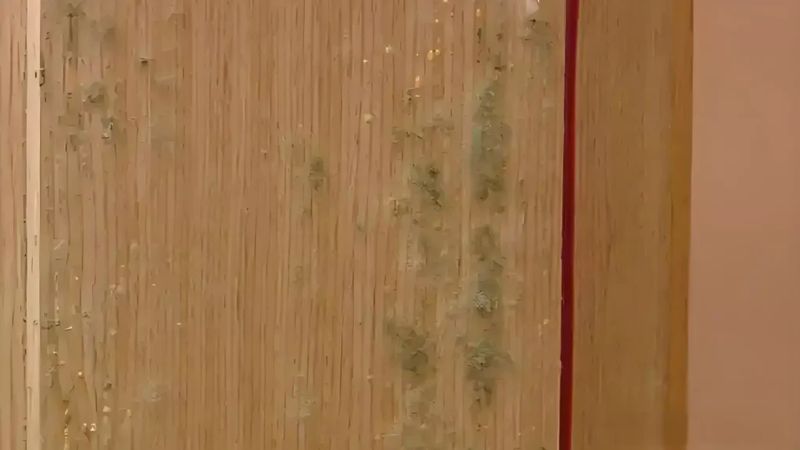
Understanding why mold develops is the first step toward effective prevention. Three key factors converge to create the perfect environment for mold on doors: moisture, inadequate airflow, and the presence of organic material.
- Moisture is the primary catalyst. This can stem from high indoor humidity, water leaks, or condensation that accumulates on the door surface. Without prompt drying, this dampness invites mold spores to germinate.
- Poor Ventilation stagnates air, allowing moisture to linger instead of evaporating. This is especially problematic in enclosed spaces like bathrooms or basements.
- Organic Material serves as a food source. Mold can feed on the door material itself (like untreated wood) or on accumulated dust and grime, making regular cleaning an important deterrent.
- Door types: Interior doors in bathrooms, basements, or laundry rooms are also at risk. These areas tend to have higher humidity and less ventilation, creating hotspots for mold development.
How To Clean Mold on Doors: A Step-By-Step Guide
Removing mold from doors requires careful preparation, the right tools, and a clear cleaning process to ensure the mold is properly eliminated without damaging the door. Attention to safety and thorough drying afterward are essential steps to prevent mold from returning.
The Cleaning Process: Step-By-Step
- Vacuum the door surface with a HEPA vacuum to remove loose mold spores without spreading them.
- Mix a cleaning solution: for wood, use a mild detergent with water; for sealed or metal doors, a diluted bleach solution is possible (1 cup bleach to 1 gallon of water).
- Scrub the door thoroughly with the brush or sponge dipped in the solution, focusing on visible mold spots.
- For stubborn mold on wood, lightly sand the affected area after cleaning to remove mold that has penetrated.
- Rinse with clean water using a damp cloth to remove residue.
Post-Cleaning Protocol
- Dry the door completely and quickly using clean towels. Follow by running a fan or dehumidifier around the door area to speed up drying.
- Check the door regularly in the following weeks to catch any new mold growth early. Avoid painting or sealing moldy surfaces until mold is fully removed, or the mold can become trapped and worsen.
- Improve air circulation and reduce humidity around doors to prevent mold’s return, such as by installing weather stripping or using a dehumidifier in damp areas.
Special Care For Wood Doors
Wood doors need focused attention because their natural material reacts differently to moisture and cleaning agents than metal or vinyl. Proper treatment helps avoid damage like warping or mold recurrence.
Unique Vulnerabilities of Wood
Wood is porous, allowing moisture to seep in and form a mold breeding ground if untreated. Temperature fluctuations cause wood to expand and contract, creating cracks that let in more moisture.
Recommended Gentle Cleaning Methods For Wood
Essential Drying And Aftercare To Prevent Warping
Long-term Strategies: Preventing Mold From Coming Back
| Tip | Benefit |
|---|---|
| Use mold-resistant coatings | Blocks mold and mildew buildup |
| Keep door seals intact | Prevents water infiltration |
| Trim plants near doors | Enhances drying and airflow |
Controlling The Environment
To prevent mold, manage moisture and airflow. Keep indoor humidity below 60% with dehumidifiers or air conditioning. Promptly fix any leaks around doors or walls, and ensure proper outdoor drainage to stop water pooling. Enhance ventilation by regularly opening windows or using exhaust fans, and keep the area around doors clear of furniture or plants to allow air to circulate and surfaces to dry quickly.
Door-Specific Maintenance Tips
Regular cleaning removes mold spores; use a mold-resistant cleaner or diluted bleach for early growth, and always dry doors thoroughly afterward. Apply mold-resistant paint or sealant to create a protective, mildew-inhibiting layer. For exterior doors, trim back vegetation to allow sunlight and air to reach the surface, and regularly inspect and repair door seals to prevent moisture seepage.
Conclusion: Maintaining A Mold-Free Home
Maintaining a mold-free home requires consistent moisture management and vigilance. The core strategy is simple: control humidity, ensure good ventilation, clean promptly, and fix leaks immediately.
Integrating small habits—like wiping condensation off doors and airing out rooms—can make a significant difference. By adopting the preventive measures outlined above, you can significantly reduce the risk of mold recurrence, protecting both your home’s structure and your family’s well-being for the long term.
Featured Manufacturer Spotlight: Tengyu
For long-term door protection, consider Tengyu. We focus on durable materials and engineered solutions. Our products are built to withstand environmental stress, and they are inherently resilient when properly maintained. Welcome for customizable and oem inquiry.


Why Choose Tengyu
- Emphasis on high-quality, durable materials and complete door systems.
- Products designed for longevity and stability in modern homes.
- Offers corrosion-resistant options like aluminum tracks and metal-framed glass doors.
- Wooden doors come pre-finished (paint-free or pre-painted), providing an initial protective layer.
Key Products for Moisture-Prone Areas
- Door Systems: Metal-framed glass doors (non-porous, ideal for bathrooms/kitchens) and stable, pre-finished wooden doors.
- Hardware & Accessories: Corrosion-resistant sliding door tracks, locks, and soft-close sets—vital for maintaining proper seal and preventing moisture-trapping gaps.
Don’t let mold damage your doors or compromise your family’s health. This silent threat requires more than a quick clean—it demands targeted solutions to safeguard your home and loved ones.
Ready to tackle mold issues head-on? Click through to our official website for expert guidance, tailored solutions, and detailed insights. Send us an inquiry today—our team is standing by to help you restore your doors’ integrity and secure a healthier living environment.