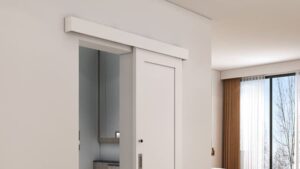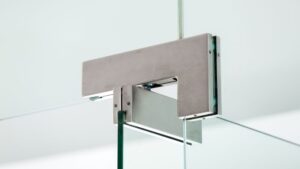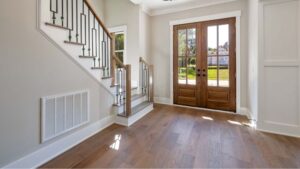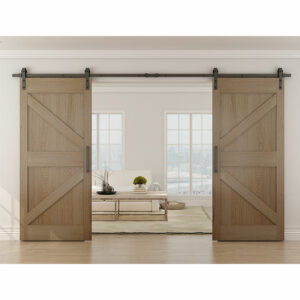

Door casing styles are the trim around a door that blends the wall and door while adding style. It acts as the finishing touch that can define a room’s character, seamlessly blending the door into the wall while making a distinct stylistic statement.
From the understated lines of a modern home to the intricate moldings of a traditional interior, the right casing can enhance your home’s architectural character, complement its interior décor, and even boost its value.
This guide will help you navigate the world of door casings to find the perfect fit for your space.
What Is Interior Door Casing?
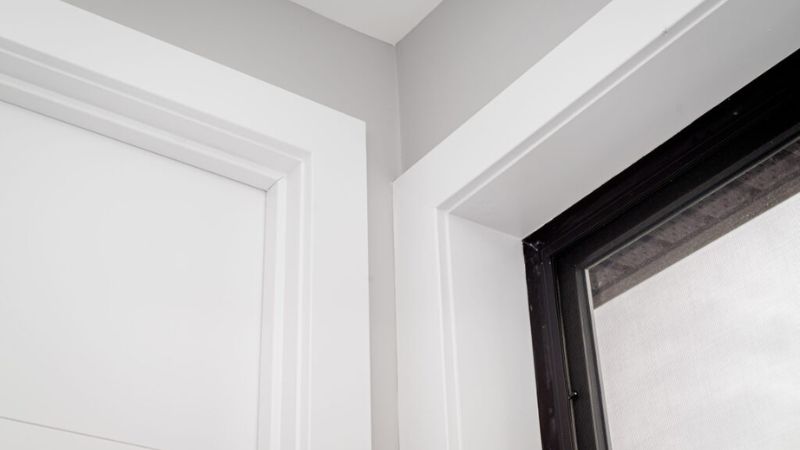
Interior door casing is the molding that frames a doorway, serving both essential functional and aesthetic purposes. At its core, it conceals the gap between the door jamb and the wall, creating a polished transition. But its role extends far beyond mere coverage:
- Aesthetic Defining: It significantly influences the room’s style, providing a visual frame that can be traditional, modern, or anywhere in between.
- Protective & Structural: It shields vulnerable wall edges (like drywall) from daily wear and tear and accidental impacts.
- Practical Enhancement: By sealing gaps, it can improve a room’s insulation and soundproofing, contributing to overall comfort and energy efficiency.
Common Materials Used For Door Casings
The choice of material impacts durability needs, appearance, and budget. Here’s a comparison of the most common options:
| Material | Pros | Cons |
|---|---|---|
| Wood | Durable, natural beauty | Can warp, costs more |
| MDF | Affordable, smooth surfaces | Less durable, prone to swelling if wet |
| PVC/Polyurethane | moisture resistance, easy to maintain | Less natural appearance |
Each material suits different needs, so homeowners should consider both looks and function when choosing door casing.
Different Types Of Door Casings
Door casings come in a variety of shapes and materials that affect the look and feel of a room. They cover gaps between walls and door frames and set a tone that matches the home’s style. Choices range from detailed wood moldings to simple, sleek profiles.
Classic Door Casing Styles
Classic door casings often have detailed moldings like colonial or Victorian profiles. These styles usually include multiple layers of trim, such as backbands or rosettes, which add depth.
Common materials include solid woods like oak, pine, or poplar. These casings focus on ornamentation and craftsmanship, often using mitered corners for a clean finish.
They suit traditional homes or spaces that want warmth and timeless elegance. Colonial casings are especially popular in older homes, supporting symmetrical and formal looks.
Modern & Contemporary Door Casing Styles
In stark contrast, modern casings embrace minimalism. Think clean, straight lines, flat or subtly beveled profiles, and a complete absence of decorative ornamentation. They often use butted joints for a straightforward look and are commonly made from MDF or engineered wood with a smooth, painted finish to complement sleek, uncluttered spaces.
The Differences Between Contemporary and Classic Door Casings
The main difference is ornamentation versus simplicity. Classic casings are elaborate, with decorative moldings and layers. Contemporary styles focus on clean edges and simple profiles.
Installation methods differ: classic styles often use mitered joints for seamless corners, while contemporary casings use butted joints for a straightforward look.
Materials also vary. Traditional casings typically use hardwoods with visible grain. Modern casings often use smooth, painted surfaces that work well with minimalist décor.
Choosing between the two depends on the home’s design and the desired look around doorways.
Tips For Choosing Door Casing
Choosing the right door casing means balancing style, scale, and practicality. Knowing the room’s style and how the casing fits with existing trim helps create a seamless look. Practical concerns like installation complexity and upkeep are also important.
Consider Your Existing Interior Style
The door casing should match the overall interior design. For traditional homes, ornate or craftsman-style moldings with wider profiles work well. Modern spaces benefit from simple, clean-lined casings, often narrower and without details.
Colors and finishes matter. Matching wood tones or paint with the walls and flooring will tie the room together. Bold styles or colors can be a focal point, but should not clash with major design elements.
A thoughtful casing style supports the room’s character without drawing unwanted attention.
Match With Existing Trim & Molding
Consistency with existing trim is important. Door casings usually align in style and scale with baseboards and window casings. Mixing very different profiles or widths can look uncoordinated.
A common approach is matching the molding pattern or at least the width—for example, using 3-1/4” casings when baseboards are similar in size. If baseboards are ornate, matching casings often have similar details.
If matching is hard, choose a complementary trim style with related design cues, like simple lines paired with subtle bevels. The goal is a cohesive trim look throughout the home.
Evaluate Room Proportions & Door Size
Room and door size affect casing choice. Larger doors, common in entryways or formal rooms, work well with wider casings (up to 5-1/4” or more). Narrower doors need slimmer casings.
Room height and width matter too. High ceilings allow for taller, more elaborate casings, while smaller rooms need minimal profiles. Oversized casing in small areas can feel cramped.
Think of the casing as a frame around artwork—the scale should enhance, not compete with, the doorway and room.
Factor In Installation & Budget
Installation complexity affects both style and cost. Simple casings with straight cuts are easier and cheaper to install. Intricate designs with layers or custom details take more time and skill, raising labor costs.
Materials affect budget too. MDF or composite casings cost less but may not be as durable as wood. Solid wood offers more finish options but can be pricier.
Balance the desired style and quality with the cost of materials and installation. Consulting a professional can help clarify what’s possible within your budget.
Think About Maintenance & Durability
Maintenance and durability should guide your choice. Painted MDF or PVC are low-maintenance and resist moisture, good for kitchens, bathrooms, or humid climates.
Wood casings need occasional repainting or refinishing but provide a classic look and long lifespan when cared for. Stained wood needs protective coatings to keep its quality.
Consider wear patterns too—high traffic areas may need more durable materials. Ease of cleaning, resistance to dents, and color retention all matter for long-term satisfaction.
Discover Tengyu: Your style Design Partner
If you are looking for a reliable, innovative, and design-forward partner for your next project, Tengyu is an excellent choice. Our vast product selection, commitment to quality materials, and role as a source of design inspiration make them a one-stop-shop for creating beautiful and functional modern spaces.
Explore Our Metal Frame Glass Sliding Doors
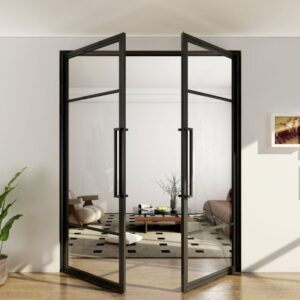
- Double Steel-Framed Tempered Glass Interior Door Set – Packaged for Bulk Shipping
- Efficient 48-Inch Steel Frame Mirror Closet Door with Easy Installation
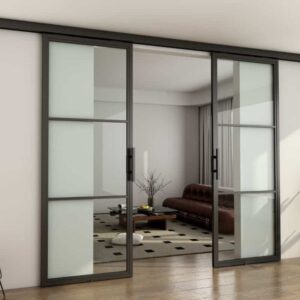
- Double Steel Framed Sliding Glass Barn Door with Aluminum sliding hardware kit | Custom & Bulk Orders
Key Features and Benefits:
- Modern Aesthetic: The minimalist design, characterized by slender metal frames and expansive glass panels, perfectly complements contemporary and industrial-chic interiors.
- Space-Saving Functionality: Ideal for smaller rooms, hallways, or areas where maximizing usable floor space is crucial. Tengyu offers various Sliding Door Hardwares to support these systems.
- Enhanced Natural Light: The glass panels allow light to penetrate deeper into interior spaces, reducing reliance on artificial lighting and creating a more airy and welcoming atmosphere.
- Versatility in Application: Whether you opt for hinged, pivoted, or popular Metal Frame Glass Sliding Door options, these doors can be customized to suit various architectural needs.
- Durable Construction: The metal frames provide structural integrity and resistance to warping, which can be an issue with traditional wooden doors in varying humidity levels.
Ready to choose your own style? Explore our full collection and request a quote today to bring your vision to life!