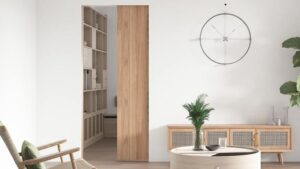

Interior windows design orchestrates the flow of natural light between rooms while maintaining separation. It brightens dark or enclosed spaces, creating an open and inviting atmosphere without sacrificing privacy. Beyond this core function, interior windows add significant architectural interest and can be customized in style and size to balance openness with distinct room character, making the entire home feel more connected and welcoming.
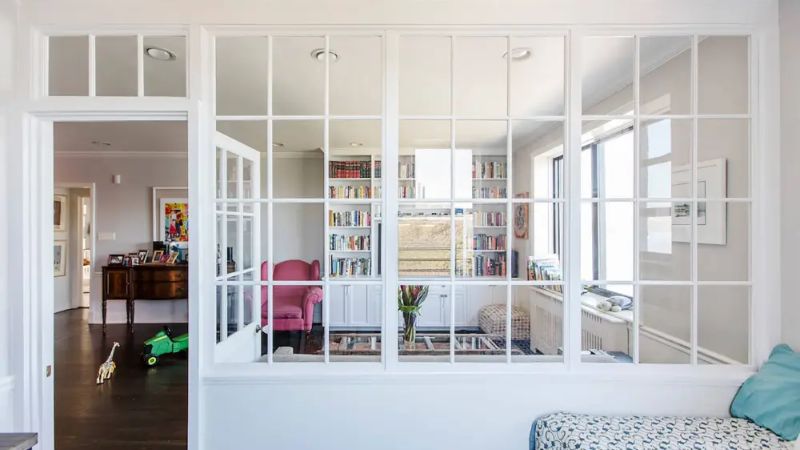
What Is Interior Window? The Essential Framework
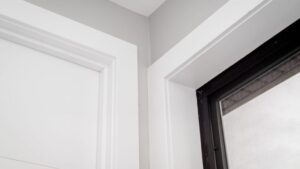
Interior window trim serves both functional and decorative purposes. It frames the window opening, covers gaps between the wall and window frame, and defines the window’s appearance. Well-chosen trim enhances the room’s architectural style and finish.
Definition: Interior Windows vs. Exterior Windows
Core Characteristics of Interior Windows
Common Types of Interior Windows
Fixed/Picture Interior Windows
These non-opening windows are ideal for maximizing light and creating a seamless visual flow. They’re perfect for hallways, above countertops, or as decorative accents in living rooms.
Sliding Interior Windows
With horizontal or vertical sliding panels, these windows offer flexibility—open them for air circulation or close them for privacy. They’re popular in small spaces like bathrooms or between bedrooms and walk-in closets.
Casement Interior Windows
Hinged at the side and opening outward or inward, casement windows add a classic touch. They’re great for rooms where you want to control airflow (e.g., home offices, sunrooms) while maintaining a sleek look.
Frosted/Textured Glass Interior Windows
Designed for privacy, these windows use frosted, sandblasted, or patterned glass that obscures views while letting light through. They’re a top choice for bathrooms, laundry rooms, and home offices.
Partition-Style Interior Windows
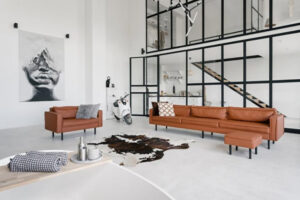
Floor-to-ceiling or wall-length windows that act as room dividers. They’re perfect for open floor plans, separating living areas from dining spaces or creating a private nook in a studio apartment.
What’s The Purpose Of The Interior Window?
Interior windows enhance light distribution and spatial relationships in a home or office. They offer benefits like improved natural light and connection between rooms, while also adding style to interior spaces.
Functional And Practical Purposes
Interior windows increase the flow of natural light between rooms, reducing the need for artificial lighting. This makes smaller or darker rooms feel brighter and more open without removing walls.
They create visual connections between spaces, allowing for easier communication and a sense of openness while still maintaining separation. Unlike doors, interior windows don’t offer thermal insulation or weatherproofing but can improve airflow and reduce noise when open.
Interior windows help define areas in an open-plan layout without sacrificing light. They blend privacy with visibility, making spaces feel more connected and versatile.
Aesthetic And Design Purposes
Interior windows add architectural detail by breaking up large, plain walls with transparent or translucent elements. They contribute to a home’s character and style, often becoming focal points that enhance the design theme.
Designers use different shapes, sizes, and glazing options to complement a space, creating a balance between openness and privacy. Interior windows can frame views or highlight architectural features, adding depth and texture.
Many also use decorative treatments like grids, frosted glass, or colored panes. These choices support both the mood and function of the room, blending practicality with visual appeal.
Finding Your Personal Interior Window Design Style
Choosing the right interior window design means balancing form and function. Consider light control, architectural details, and the room’s purpose to find a design that feels cohesive.
Modern & Minimalist Window Design Ideas
Modern window designs favor clean lines and simplicity. Slim frames, often made from metal or black aluminum, highlight views and natural light. Floor-to-ceiling glass panels or large fixed windows are common, creating an open feel.
Functionality is key. Energy-efficient glazing and minimalist hardware keep maintenance easy and enhance the sleek look. Window placements focus on framing outdoor views or maximizing daylight. Neutral colors and geometric shapes make spaces feel calm and uncluttered.
Traditional & Classic Window Design Ideas
Traditional window styles use symmetry and refined details. Double-hung or casement windows with divided panes bring a timeless warmth. Wood frames, often painted or stained, suit vintage or rustic interiors.
These windows often have decorative moldings or shutters, adding depth. They work well with cozy fabrics, antique furnishings, and rich color palettes. Operable sashes offer ventilation and light control.
Transitional & Eclectic Window Design Ideas
Transitional styles mix classic and contemporary features. Windows might combine wooden frames with modern hardware or subtle muntins on large glass panes. The result is versatile and fits many interiors.
Eclectic window designs are bolder, mixing shapes, sizes, and materials. They might pair round or arched windows with rectangular ones, or use colorful frames for visual interest. This style invites creativity but needs thoughtful placement.
Both approaches emphasize personal taste while maintaining light management and ventilation. The key is harmony between comfort and unique expression.
Creative & Statement-Making Ideas
Interior windows can serve as focal points. Oversized geometric shapes, stained glass inserts, or patterned screen overlays elevate the design.
Materials like frosted or textured glass enhance privacy without losing style. Bold frame colors or unconventional placements—such as interior partitions with glass—add drama and dimension.
These designs work well in contemporary or avant-garde interiors where windows are part of the artistic narrative. They need careful consideration of light flow and room scale but can transform a space’s atmosphere.
Conclusion
Interior windows offer a unique blend of style and function. They bring natural light deeper into a space, creating a brighter, more inviting atmosphere without sacrificing privacy.
| Benefit | Description |
|---|---|
| Improved Light Flow | Brightens interior spaces naturally |
| Enhanced Spatial Feel | Creates openness without full exposure |
| Increased Aesthetic | Adds visual texture and design appeal |
| Privacy Options | Maintains separation while allowing light |
Choosing the right style, from minimalist to eclectic, allows you to enhance both the look and feel of your space. With thoughtful design, these windows turn ordinary areas into inviting, integrated, and light-filled environments.
Tengyu Interior Windows: Elevate Your Home with Cozy Brightness & Stylish Functionality
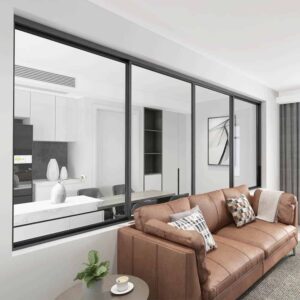
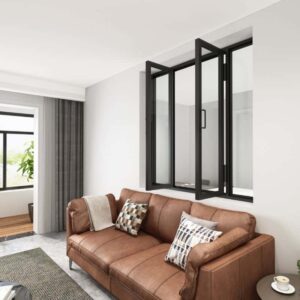
Key Highlights of Tengyu Interior Windows
Ready to Transform Your Home? Explore our full range of designs, customize options to fit your home’s unique needs, and discover how these windows can turn ordinary rooms into inviting, light-filled havens.