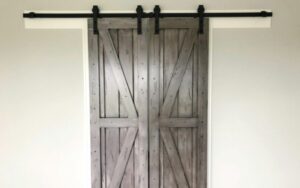

Barn doors slide along a wall-mounted track and save floor space, while French doors swing open on hinges and provide better sealing for sound and temperature control. Each option has real trade-offs when it comes to privacy, installation costs, and how much room you need.
Your choice affects more than looks. This guide breaks down the types, costs, and practical considerations to help you decide which door fits your home and lifestyle best.
Barn Door vs French Door: Core Differences
The main differences between these two popular interior door styles come down to how they open, how well they seal a room, and what look they bring to your space.
Opening Mechanism and Space Requirements
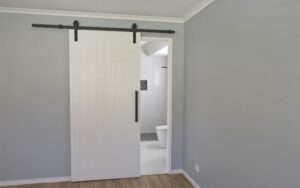
Barn doors slide along a wall-mounted track. They need clear wall space next to the doorway for the door to slide open. You can’t hang pictures or place furniture where the door travels.
French doors swing open on hinges like traditional doors. They need floor space in front of the doorway to swing. You’ll need room for both doors to open fully without hitting furniture or other obstacles.
Sliding barn doors work better in tight spaces where you don’t have room for a door swing. French doors need more clearance but don’t require extra wall space.
Privacy, Sound Insulation, and Sealing
French doors seal against the door frame when closed. This makes them better at blocking sound and smells between rooms. They also help control heating and cooling better.
Barn doors hang slightly off the wall on their track. Small gaps remain around the edges. Sound and odors can pass through more easily. They won’t insulate rooms as well for temperature control.
Aesthetics and Style Impact
Barn doors bring a modern or rustic feel depending on the door hardware and materials you choose. French doors create a classic, elegant look with their glass panes and traditional design.
Barn Doors: Types, Styles, and Key Features
Barn doors come in multiple styles and configurations to match your home’s design. You’ll find options ranging from rustic wood to sleek glass, along with different hardware systems that affect how they look and work.
Classic, Modern, and Specialty Barn Door Styles
Classic barn doors use medium-toned wood with visible grain and wrought iron hardware. Some include an “X” brace for extra support and that familiar farmhouse feel. Modern barn doors can be painted any color or stained to match your walls for a minimalist look. You can also find industrial metal versions that work well in contemporary homes.
Glass barn doors let light flow between rooms while creating separation. They come in clear, frosted, or textured glass with wooden or metal frames. Mirror barn doors add the benefit of making your space feel larger. You can even find specialty options like chevron patterns, multi-toned wood, or chalkboard surfaces for creative touches.
Sliding Barn Door Variations: Single, Double, and Glass
A single barn door works best for standard doorways like bathrooms, closets, or pantries. It slides to one side along a wall-mounted track.
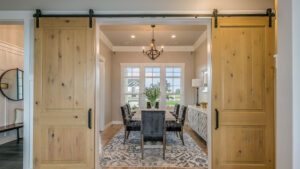
Double barn doors cover wider openings like room dividers or large closets. They can meet in the middle or slide away from each other. This style gives you flexibility in how much you want to open the space.
Glass barn doors are available in both single and double configurations. They keep natural light flowing while dividing spaces. You can choose from one large sheet of glass or multiple panes with frames.
Barn Door Hardware and Installation Insights
Barn door hardware sits on the outside of the wall, which makes installation easier than pocket doors. You’ll need a track system mounted above the doorway, rollers that attach to the door, and a floor guide to keep it stable.
The external hardware also makes maintenance simple since everything stays accessible. You can install a barn door yourself with basic tools if you’re comfortable with DIY projects. Most basic barn doors cost a few hundred dollars, while specialty options run over $1,000. Professional installation typically costs $500 to $1,000.
French Doors: Designs, Materials, and Functional Benefits
French doors bring light and style to your home through glass panels and thoughtful design. You can choose from classic or modern looks, pick the right glass for your privacy needs, and select configurations that work best for your space.
Classic and Contemporary French Door Designs
Classic French doors feature multiple small glass panes separated by decorative grilles. These traditional designs work well in older homes and add timeless charm. You’ll often see them with wood frames and detailed hardware.
Contemporary French doors use larger glass panels with minimal or no grilles. They have clean lines and slim frames that create a sleek, modern look. Many homeowners choose these for newer homes or when updating their space with a fresh style.
Both styles let in plenty of natural light. Your choice depends on whether you prefer the traditional divided-light look or a more streamlined appearance that fits modern design trends.
Glass Options: Clear, Frosted, and Decorative
Clear glass is the most popular choice for french doors. It lets in maximum light and gives you full views of the outdoors or adjacent rooms. This option works great when you don’t need extra privacy.
Frosted glass french doors provide privacy while still allowing light through. The textured surface blurs views, making them perfect for bathrooms, bedrooms, or home offices where you want some separation.
Decorative glass adds personality to your doors. You can choose etched patterns, stained glass designs, or textured options that match your home’s style. These options balance privacy with visual interest while maintaining good light flow.
Popular Configurations: Single, Double, and Interior French Doors
Double french doors are the classic setup with two doors that swing open from the center. They create wide openings and work well for patios, decks, or between large rooms. This configuration gives you the most flexible access.
Single french doors use just one door panel. They’re ideal for smaller spaces where you can’t fit double doors or don’t need as wide an opening. You’ll save space while keeping the elegant glass door look.
Interior french doors connect rooms inside your home. They help define spaces while keeping things open and bright. You can use them between living and dining rooms, home offices, or anywhere you want both separation and visual connection.
Choosing the Best Door for Your Space and Lifestyle
Your choice between barn doors and French doors depends on your room’s purpose, your budget, and how much upkeep you’re willing to handle. Space constraints and design goals also play a big role in finding the right fit.
Factors to Consider: Room Function, Layout and Privacy
French doors work well for main entrances and outdoor access because they seal tightly. Sliding barn doors save floor space in tight areas like closets or bathrooms.
French doors need clearance to swing open. Barn doors need wall space next to the opening for the track. If you have limited room, pocket doors slide into the wall and disappear completely.
Barn doors leave small gaps that let sound and light through. French doors seal better but often have glass panels that reduce privacy unless you choose frosted glass.
Cost, Durability, and Maintenance
Barn doors typically cost less, ranging from $500 to $1,000. French doors run higher at $2,000 to $5,000 or more.
Installation affects your budget. You can install barn doors yourself with basic tools. French doors need professional help in most cases, adding another $2,000.
Barn doors have exposed hardware that’s easy to clean. French doors have glass panes that need regular cleaning and can break.
Trendy Alternatives: Pocket Doors and More
Pocket doors offer another space-saving option. These sliding doors disappear into the wall when open. They work great in small bathrooms or tight hallways where you can’t spare wall space for barn door tracks.
Interior door styles keep evolving. Bifold doors fold in sections and need less clearance than French doors. Glass panel interior doors bring in light like French doors but in a single door format.
Contact Us: Discover the Tengyu Difference
Tengyu is a premier provider of high-quality door systems and architectural hardware, specializing in both residential and commercial solutions. With a focus on durability, modern aesthetics, and innovative engineering, Tengyu offers a diverse range of products designed to elevate your interior space.
Featured Tengyu Products
If you’re inspired by this guide, consider these popular options from our collection:
- For the Barn Door Enthusiast:
- Modern Barn Door with 3-Lite Glass and Hardware: A perfect blend of industrial steel and tempered glass.
- 1-Lite Tempered Glass Barn Door with Black Steel Frame: A minimalist design that maximizes light flow.
- 48-Inch Space-Saving Arch Design Closet Door: An elegant, space-efficient solution for bedrooms and storage areas.
- For the French Door Admirer:
- Commercial Steel French Door with 4mm Tempered Glass: A robust and stylish option for high-traffic areas or sophisticated home offices.
- Luxury Matte Black Powder Coated Steel Glass Swing Door: A customizable hinged door that brings a contemporary edge to the classic French style.
Interested in a custom solution or bulk ordering? Our team is ready to help you find the perfect fit for your lifestyle. Request a Quote Today via our contact form to start your home transformation.
Frequently Asked Questions
How do they differ in design?
Barn doors slide on a track and are often a single panel. French doors swing on hinges and feature two panels with divided glass panes.
Which is best for small spaces?
Barn doors save floor space because they don’t swing, while French doors require clearance to open fully.
What are the installation costs?
Barn doors are more DIY-friendly (approx. 500 USD – 1,000 USD). French doors often require professional help, costing 2,000 USD or more.
Which offers more privacy?
French doors provide a tighter seal against sound and light. Barn doors have small gaps at the edges and floor.
How do I maintain them?
Barn doors need their tracks and rollers cleaned. French doors require hinge maintenance and regular glass cleaning.